Monday, 31 March 2014

Mid-review and feedback

Today we had the mid-review of the project using Pecha Kucha style, meaning 20 slides, 20 secondes each. We met in the early morning at Calori in order to practise the presentation and prepare the questions and comments for the Tanzania Waste Keko Mwanga group. 

It was a very good exercise to actually summarize our project in 6 minutes 40 secondes! Twenty secondes run very fast so you need to get to the point, no time for long explanations! As an introduction to our presentation, we had a teaser video of the trip giving highlights of our experience in Chamanculo. The video can be found below.


We got a lot of feedback from the different groups, teachers and professor. We were asked if we wish to continue the project later on. I would think that most of us would like to follow and continue this project, especially if we are able to keep close collaboration with ASSCODECHA in the future! 

Several questions were related to our objectives and deliveries that still seem unclear, also something that could be noticed in our blog. We are using the blog as a project diary and writing our reflections there. Until now, it has been very confusing for us and actually quite difficult to clearly write these objectives down. What should the "final product" be?

During the fieldtrip and once back to Finland looking at different litterature, we collected many pieces from the puzzle yet to be complete. It seems that we are continuously moving back and forth. 

What also makes it difficult for us is the time-frame of the course. Changes that we would see happening in Chamanculo, will not happen in the next few months. Everybody will agree on the fact that changing people's mindset is challenging and is a long-term process. 

As we mentioned during our presentation, we would like to focus on empowerment of people rather than proposing ready-made/technical solutions. The guidebook would give tools to the locals for them to come up with ideas and find the potentials in these ones. I think people get always enthusiastic in something they see happening and beneficial for them. The Hackathon was a good beginning of this change of mindset and the overwhole feedback we got from the people when we were there was positive. We must follow this path!


Next steps

  • Tomorrow 01.04.2014 we are meeting again at Calori at 8am to review today's session with our mentor 
  • We need to cleary define our objectives and answer the questions What? Why? How? as it was mentioned today during our presentation. Hopefully the puzzle will be complete before the next project clinic!

Tuesday, 25 March 2014

Mid-review comes close

In our now already traditional breakfast meeting at Calori we have been discussing the empowerment approach a bit more detailed. We have been reading scientific articles and project documents about trials of empowerment in different communities. The overall conclusion was that these approaches seem to have fancy names, but the basic idea of empowerment is quite similar throughout the researched areas. Mariko found that some of these approaches have been tested even in Maputo already, which shows to us that our idea can actually be realized and will have a certain impact. This, of course, rises our motivation and enthusiasm about the whole project!

Caroline tried to visualize the impact our project could have in the Chamanculo community in a nice chart considering different internal and external factors. This gives a clearer picture and will help us defining our objectives. Furthermore, we learned that participatory processes should always be executed under accompaniment of professionals, so that the whole framework would stay intact and does not get out of control. However, the goal is to raise ideas from inside the community, not to present externally created ready-made solutions.

The hackathon analysis and checklist are in process, too. We hope that ASSCODECHA will be interested in a cooperation concerning the realization of maybe regular events like hackathons. They are the only realistic partner we see in that case and based on their decision we can widen this approach and maybe start looking for sponsors. We also started to think about the integration of children and/or woman in particular into the participatory process, as, e.g., children are fast learners and are able to spread information consistently throughout many generations. Women, on the other hand, are in our experience rarely seen in positions that require responsibility and leading qualities, which can only be changed, if they are especially involved into the whole thinking process from the beginning.

After gathering this amount of information into all these different directions we will now prepare the mid-review presentation and at the same time we will also sharpen our project focus still - old story, but still worth to mention...

We will meet on Thursday, 27.03. at 18.00 in the Main Building Learning Hub. Until then everybody prepares 4 slides and reviews the presentation as a whole, so we can discuss, develop and design our delivery of the project.

Wednesday, 19 March 2014

Empower the people!

We met again today for a breakfast at Calori @Lämpömiehenkuja 2, Otaniemi. We had researched  empowerment, participatory processes in general and in sanitation projects, hackathons and possible sanitation solutions that could be implemented in Chamanculo.

We went over our findings together and felt strongly that the empowerment/participation approach is the one we would go with. We decided to research the previous topics further and link our findings more closely to the task at hand: improving sanitation and hygiene in Chamanculo.

Further research responsibilities by next week's meeting on Tuesday at 8.30:
- Mikaela will research sanitation solutions, and choose at least 3 different approaches that would suit Chamanculo and make a brief analysis on the pros and cons of the options
- Anja will try to get the participants' feedback of our previous hackathon, analyze it and draft a brief ckecklist/guide for Hackathon organizing
- Mariko, Perttu and Caroline will further research participatory and empowerment methods, and choose the most promising ready approaches, as well as the most proimising tools used in different approaches
-someone will send ASSCODECHA an email and ask how they are doing and what are their current feelings about the hackathon and next steps in the sanitation challenges

The end result of our work will be a general guide to empowerment, introducing methods and their applications, and an example case of tackling the sanitation challenges in Chamanculo through a participatory process. In the case we will describe the process, and present sanitation solutions that are suggested as options to start with.

We will meet again on Tuesday 25.3.2014 in Calori.

Wednesday, 12 March 2014

BLOOM - reissun kiteytys

The following summary of our trip is unfortunately in Finnish.


BLOOM - Bridge of Learning: Operation OndA! in Maputo sai alkunsa keväällä 2013, kun Aleksi Wallenius sai kuulla päässeensä etvo-vapaaehtoiseksi Maputoon. Hän halusi tuoda eri alojen opiskelijoita Aalto-yliopistosta opettamaan ja oppimaan Mosambikiin, ja lähti organisoimaan projektia Aalto-yliopiston ylioppilaskunnan kautta.  Projekti realisoitui 2014 alkuvuodesta, kun 10 aaltolaista suuntasi eteläiseen Afrikkaan kuukaudeksi, josta kaksi viikkoa vietettiin paikallisen järjestön ASSCODECHAn vieraana Chamanculon slummissa.

Aaltolaiset ja Camilla Nyroth matkalla takaisin kaupungin keskustaan päivän jälkeen.
Osa matkaan lähtijöistä yhdisti kokemuksen yliopiston kurssiin Sustainable Global Technologies: Facing Local and Global Challenges, jossa toteutetaan projekti Chamanculon sanitaatiohaasteisiin liittyen yhteistyössä paikallisen organisaation, ASSCODECHAn kanssa. Paikan päällä järjestimme paikallisille ensimmäisellä viikolla erilaisia työpajoja ja intensiivikursseja, kuten englannin kurssin, IT-kurssin, bisnes-workshoppeja, elokuvantekotyöpajan, tulevaisuustyöpajan, ultimate-turnauksen sekä erilaista opettavaista ohjelmaa lapsille (ja pelasimme mölkkyä). Toisella viikolla järjestimme yhteistyössä Mosambikin tiede- ja teknologiaministeriön ja Suomen ulkoministeriön yhteisprojekti STIFIMOn kanssa Waste and Sanitation Hackathonin, jossa ASSCODECHAn työntekijöistä, paikallisista nuorista sekä paikallisen yliopiston hacker-yhteisön jäsenistä koostuvat joukkueet painivat 4 päivää keksiäkseen ratkaisuja Chamanculon sanitaatiohaasteisiin. Kurssiporukkamme muodosti myös tiimin ja esitteli esimerkkiratkaisuna huussin ja kaupunkiviljelykonseptin, mutta ei osallistunut itse kilpailuun. Voittajajoukkue palkittiin läppäreillä. Tuomaristossa istuivat maailmanpankin konsultti, Chamanculon paikallisedustaja kunnallispolitiikassa ja Suomen suurlähetystön edustaja. Viimeisenä päivänä Chamanculossa järjestimme festivaalin, jossa kokkasimme kaikille ja opetimme erilaisia taitoja. Myös paikalliset oli kutsuttu osallistumaan järjestelyihin tarjoamalla ruokaa tai opettamalla omia taitojaan. Illalla järjestimme ASSCODECHAn työntekijöille sitsit, eli perinteisen akateemisen pöytäjuhlan, paikallisessa ravintolassa.


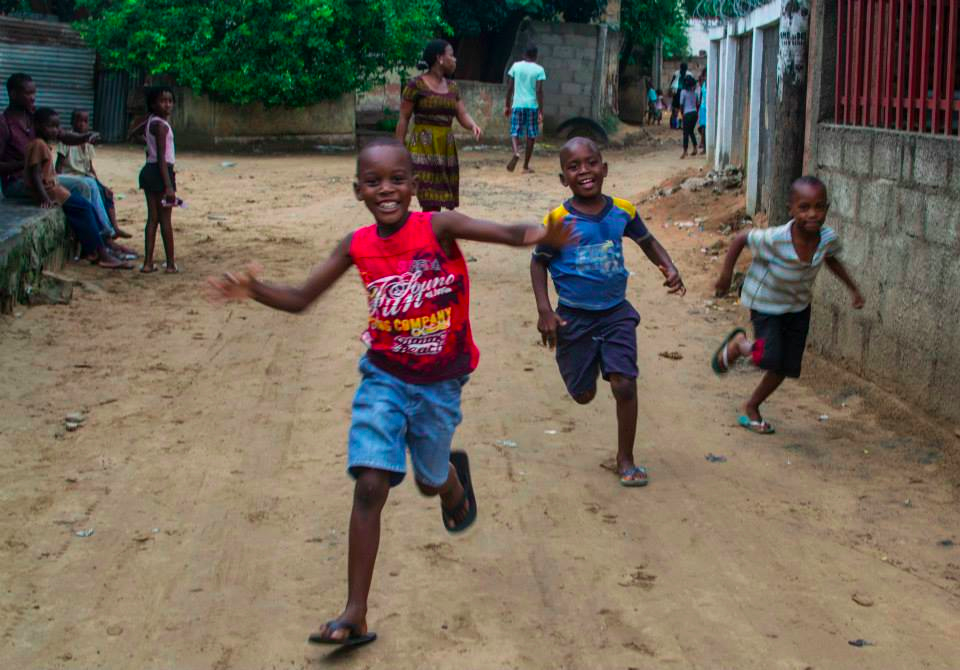
Lapsia Chamanculon kadulla.
Vierailumme aikana keräsimme kurssiamme varten taustatietoa sanitaatiohaasteista vierailemalla paikallisten kodeissa, koulussa ja Chamanculon eri osissa sekä haastattelimme lukuisia ihmisiä. Suomeen päästyämme olemme pohtineet kaikkea kokemaamme ja pyrkineet määrittämään projektillemme fokuksen. Olemme päättäneet tutkia yhteisön ja yksilön voimaannuttamista muun muassa osallistavien prosessien kautta, ja tutkia erityisesti osallistavien prosessien käyttöä sanitaatiohaasteiden ratkaisemisessa. ASSCODECHAsta riippuen lähdemme työstämään heidän kanssaan myös seuraavan hackathonin tai samantyyppisen tapahtuman järjestämistä, tai kuivakäymälän ja kaupunkiviljelyn lanseeraamista osallistavan prosessin kautta. Yleisesti toiveenamme on voimaannuuttaa yhteisöä ja muuttaa suhtautumista tulevaisuuteen ja oman elämän kontrollointiin, sekä toki parantaa alueen sanitaatiota. Projekti on vielä muotoutumassa, ja hahmottuu pikku hlijaa kirjallisuustutkimuksemme ja ASSCODECHAn toiveiden myötä.


Lapset laittamassa Carolinen hiuksia.
Projektimme suuntaa heijastelee ehkä suurinta kulttuurishokkia, jonka ainakin minä Chamanculossa koin; ihmiset elävät niin vahvasti hetkessä, että tulevaisuudensuunnitelmia ei juuri ole. Myöskin vastuun käsite tuntuu puuttuvan. Ihmiset eivät tunnu ottavan vastuuta omasta elämästään saati mistään muustakaan, mutta eivät oleta kenenkään muunkaan, kuten vaikka poliitikkojen tai virkamiesten, ottavan vastuuta tai tarttuvan toimeen asioiden tilan parantamiseksi. Kukaan ei oikeastaan tunnu odottavan, että asiat muuttuisivat. Ihmiset osaavat kyllä nimetä asioita, joiden muuttaminen tekisi heidät onnellisemmaksi, mutta heillä ei ole aikomuksia muuttaa niitä. Kyseessä on yleensä pieni asia, kuten parempi talo, tai parempi vessa (jotka ovat yleensä itse tehtyjä). Toki poikkeuksiakin on, ja mekin tapasimme perheen joka oli uutterasti parannellut taloaan ja suunnitteli jopa rakentavansa sisävessan, johon materiaalitkin oli jo hankittu. Toki tulotasot vaikuttavat.


Päälimmäisenä Chamanculosta jäi kuitenkin mieleen ihmisten lämpö ja ystävällisyys, huomiota hakevat nauravat lapsilaumat, aurinko ja siististi pukeutuneet paikalliset. Kokemus sai myös pohtimaan, ovatko he onnellisempia kuin me.
Isommat lapset pitivät huolta pienemmistä.


What was the focus again?

Today we had another breakfast meeting at Calori @lämpömiehenkuja 2. We had written our project document and gotten valuable feedback from our mentor, Timo. Whilst feasting on the lovely organic breakfast we found ourselves somewhat lost. Defining the objectives and activities of the project proved to be herculean task. We decided that the end product of the project would be a brief guide to participatory processes or hackathons or sanitation solutions.


Yet we were puzzled with combining our main objective (empowering the people of Chamanculo to take initiative and solve problems in their area) with the concept of a dry toilet, which we had planned to include in this project some way. Urban gardening is also something we see closely linked to these topics.

We clearly needed more to go on with so we decided to research relevant topics. We divided the research work as follows:
Perttu will research empowerment
Anja will research the hackathon process and analyze the previous hackathon
Mariko will research participatory processes in sanitation projects
and Caroline will research participatory processes in general


Next week we will educate each other in our findings and further clarify our objectives and activities. We also need to get in touch with ASSCODECHA to gather information and narrow down our scope.

We will know much more next week :)

Thursday, 27 February 2014

Continuing the work in Finland


Today I and our supervisor Timo met with Mariko and Perttu for the first time since they got back to Finland from Mozambique. We talked about the outcomes of their travel and with the objective to discuss the focus for the continuing work. It was very interesting to hear about all the work that they had been able to do and how many people they've come in contact with. I was impressed by their work and glad to hear that they had found some helpful people there! 

The locals find that there is a problem with the waste management that also causes trouble for the sanitary system. For example there is a dike that is supposed to transport excess water to a nearby river but that gets clogged by waste.

A possible focus could be dry toilets (huussi) even though many locals expressed the difficulty with lack of space where you could use the compost that is created in such a set-up. A possible place to make a dry toilet pilot plant could be at a school. In an educational environment a dry toilet could help develop up the understanding for nature and ecosystems, in addition to fulfilling the need for a toilet.

Hopefully we will find a useful focus area that can suggest a solution to or ease some of these sanitary problems. Let us continue the work!

Monday, 17 February 2014

The culture shock: eniten vituttaa kaikki


We’re leaving Maputo this morning, and unfortunately I spent most of the last days being extremely annoyed about everything.

Biggest of all is the position of women. You always see women carrying around heavy loads on their heads and babies on their backs or sitting next to a table or on the ground with different things to sell – men seem to be just hanging around, usually drinking beer. Though it’s always men trying to sell you the tourist crap everywhere in the city. There are no women working for ASSCODECHA, except in the kitchen. There was one girl participating our hackathon. The men make jokes about Chamanculo having so many more women than men that men can just sleep with whoever they want until they’re 50 and then choose a 20-year-old girl to carry them food. There are stories of men who have 50 children, all with different women. The 20-year-old girls taking the English course I held all had children, but most of them lived with their parents and didn’t have boyfriends, let alone husbands. Not many seemed to be married, and in their language being married and living together are kind of the same thing, so not many have any security provided by laws concerning supporting them or the children.

At first I used to wear the same clothes as I would wear in Finland during the summer – shorts reaching mid-thigh. Everybody staring made me so uncomfortable that I stopped and started to wear men’s shorts Perttu bought from a market but found them a bit too tight for himself later. It didn’t make much of difference though. I’m so fed up with men yelling at us at the streets and thinking that it’s ok to touch us.  “How are you doing, baby girl?”, “Hey, give me one of the women!”, “Ask if she’d like some black man!”. Whenever talking to someone, they immediately enquire if I have children and cannot comprehend why I don’t.  The men are mostly interested in talking with men. When we went out one night to Chamanculo, there was one single other woman near the bar, everyone else was men.
It’s normal here to have somebody to do your laundry, and most of us have had something washed here. However there is one thing that they don’t wash – women’s underwear. They are always returned separately, unwashed. No trouble with men’s underwear, though. What the hell? Are women more filthy than men?

Girls here believe that white men are their ticket to a happy life. White men don’t hit and they participate in the housework.

Then there’s the racism. Everything costs more, because we’re white. We visited the Inhaca Island last weekend and we had rented a house through a local. When the owner of the house found out that we were white, he wanted to charge us 50% more, even though the price was agreed on earlier. We left there after the first night and went to a hostel.

The standards are unbelievable. We’re staying at the best hostel in town, and we have bed bugs (despite regular poisonings), rats and for a week the owners dog barking outside the window through the night so that we couldn’t sleep. One of the other dogs regularly pees on the bathroom floor. There are no lockers and the doors can’t be locked. No wifi either. There is only one electric slot per room, so we’ve had to buy an extension cord to get our electronics charged. The atmosphere is nice though, and nothing has been taken from the rooms even though they are unlocked.

Maputo is located at the sea, and the seafood is supposed to be abundant. They still ship most of the stuff frozen from Angola, and everything is extremely overcooked. The food is the same in every restaurant (unless you choose a different cuisine like Indian or Chinese): a piece of overcooked protein (fish, prawns, chicken or beef), overcooked rice and chips. As it’s quite evident that the food has not been in the cold or otherwise properly handled before cooking, we’re actually quite happy for that.
Then there’s everyone trying to constantly rip you off, unbelievable noise level and heat, dangerous infrastructure for pedestrians (and everything else), agreed times or other things meaning nothing, the yes men who’ll answer yes to everything even if they don’t have clue (“To Costa De Sol, do you know where that is?”, “Is this machine-washable?”, “Can we have tables for the hackathon?”), lousy service, opportunistic stealing, corruption, violence and so on. The police are the most dangerous people to run into.

All that being said we’ve had an excellent time here and people are very welcoming and happy. We’ve also had some nice food prepared with love. The locals take care of us, the coffee is good and sun’s always shining. There are nowhere near as much mosquitoes as in Finland. Everyone dresses very nicely and clothes are washed every day, even in the slum. We have 24-hour guarding at our hostel, and most children return things that have been given to them. Bigger children take care of smaller ones and carry the smallest ones around, and they hardly ever cry.

Culture shock is something that practically everyone faces at some stage when getting to know a new culture. It is important to recognize it, as it’s just a phase. Sometimes a good night’s sleep, a good meal and a smile is all that it takes to get over the worst part of it.